
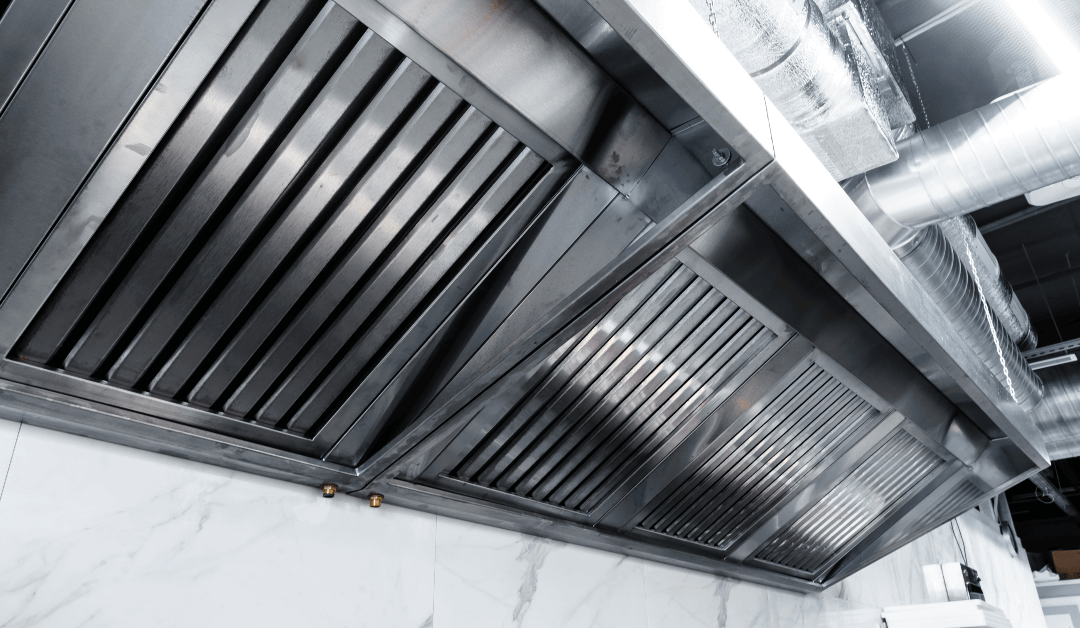
For Florida restaurant owners, staying compliant with kitchen fire codes isn’t just paperwork – it protects your staff, your customers, and your livelihood. Yet the rules around hood and exhaust cleaning can feel confusing, especially with everything else involved in running a busy kitchen. This guide breaks down what you actually need to know to stay on the right side of the fire marshal and your insurance carrier.
The Standard Behind the Rules: NFPA 96
Commercial kitchen exhaust cleaning in Florida is governed by NFPA 96, the Standard for Ventilation Control and Fire Protection of Commercial Cooking Operations. It requires that the entire exhaust system – hood, filters, ducts, and fan – be inspected and cleaned at intervals based on your cooking volume, and that the work be done by qualified, trained technicians who clean to bare metal wherever grease accumulates. Surface wiping or partial cleaning does not meet the standard, even if the hood looks clean from the outside.
Documentation Is Half the Battle
Doing the cleaning is only part of compliance; proving it matters just as much. After a proper service, you should receive a dated certificate of cleaning, a service sticker placed on the hood, and notes on any areas that were inaccessible. Inspectors look for this record, and so do insurers if you ever file a claim. Keep these documents organized and easy to produce – a missing certificate can create problems even when the work was actually done.
What Inspectors Look For
During a routine inspection, a fire marshal will typically check several things. Being ready for them keeps your business open and avoids costly re-inspections:
- A current cleaning certificate and a service sticker showing the last cleaning date.
- Clean, properly fitted grease filters with no gaps.
- Access panels installed along the ductwork so the full system can be cleaned.
- A working, properly maintained fire suppression system.
- No visible grease accumulation on the hood, ducts, or rooftop fan.
If any of these items are missing or deficient, you may be cited and required to correct the issue before reopening or before your next inspection. Re-inspections cost time and money, and they can disrupt your operations during your busiest hours.
The Role of Access Panels
One commonly overlooked compliance issue is duct access. NFPA 96 requires that the entire duct run be cleanable, which means access panels at appropriate intervals. Older systems often lack enough panels, leaving sections of ductwork that can’t be properly cleaned. A professional cleaning company can identify these gaps and recommend the access panels needed to bring your system up to standard.
Why Compliance Protects Your Bottom Line
Falling out of compliance can mean fines, a forced closure until issues are corrected, or higher insurance premiums. In a worst-case scenario – a grease fire – a lapsed cleaning record can give your insurer grounds to deny a claim, leaving you to cover the damage yourself. Consistent, documented cleaning is one of the cheapest forms of insurance a restaurant can buy, and it removes a major source of stress from your operation.
Make Compliance Simple
The easiest way to stay compliant is to partner with a professional cleaning company that knows the code, cleans the full system, and handles your documentation for you. With a set schedule, you’ll never have to scramble before an inspection or wonder when your system was last serviced. A reliable partner keeps you inspection-ready year-round, so compliance becomes one less thing to worry about.
Superior Hood & Duct Cleaning helps restaurants across South Florida – from Miami and Fort Lauderdale to West Palm Beach, Naples, and Jacksonville – stay fully compliant with NFPA 96. We clean to standard, document every visit, and keep your kitchen inspection-ready. Call (561) 927-7045 to learn how a managed cleaning schedule can take compliance off your plate.