
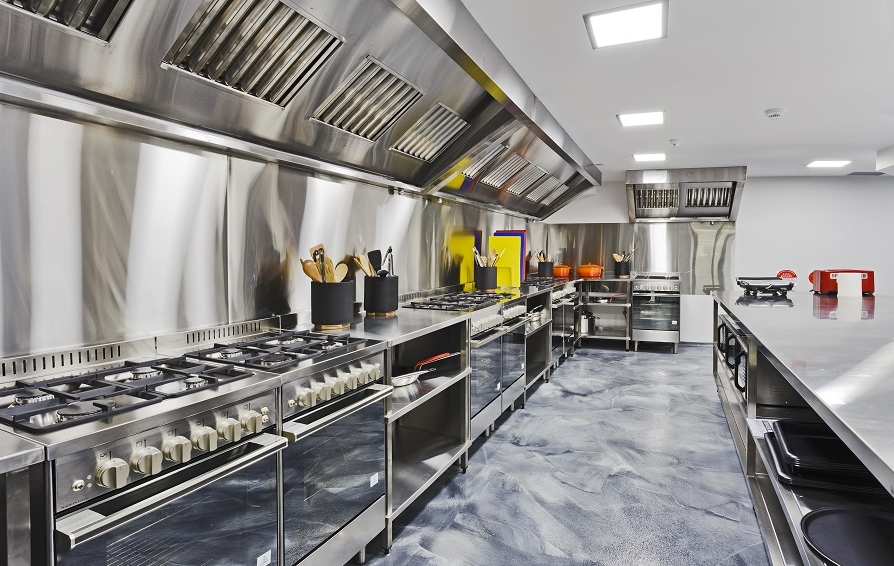
If you run a commercial kitchen anywhere from Miami to West Palm Beach, grease is constantly building up inside your hood, filters, and exhaust ductwork. The real question isn’t whether you need hood cleaning, but how often. Cleaning too rarely puts your restaurant at risk of a grease fire and a failed inspection, while a smart, consistent schedule keeps your kitchen safe, efficient, and code-compliant. Getting that frequency right is one of the most important operational decisions a food-service business can make.
Every time your line cooks fire up the grill or drop a basket into the fryer, microscopic droplets of grease-laden vapor are pulled up into your exhaust system. Most of that grease ends up out of sight, coating the inside of your ductwork where you’ll never notice it until it becomes a serious hazard. Understanding how quickly that happens in your kitchen is the foundation of a good cleaning schedule.
What the Fire Code Says
Commercial kitchen exhaust systems in Florida are governed by NFPA 96, the national standard for ventilation control and fire protection of commercial cooking operations. NFPA 96 ties cleaning frequency directly to how much and what type of cooking your kitchen does. The more grease-laden vapor you produce, the more often the entire system must be cleaned down to bare metal – not just wiped down, but professionally degreased from the hood through the ducts to the rooftop fan.
Using these guidelines as a baseline, most South Florida kitchens fall into one of the following schedules:
- Monthly – high-volume cooking and operations that use solid fuel such as wood or charcoal.
- Quarterly – busy restaurants with heavy frying, grilling, and wok cooking (the most common category).
- Semi-annually – moderate-volume kitchens, diners, and sit-down restaurants.
- Annually – low-volume operations such as churches, seasonal businesses, and day camps.
These categories are a starting point, not a guarantee. A semi-annual schedule that works for a quiet cafe may leave a busy brunch spot dangerously behind. The safest approach is to have your system assessed by a professional who can recommend an interval based on what they actually find inside your ducts.
Why South Florida Kitchens Build Grease Faster
Heat and humidity are a fact of life in Miami-Dade, Broward, and Palm Beach counties, and they work against your exhaust system. Warm, moist air keeps grease softer and stickier, allowing it to coat duct walls more quickly and cling to surfaces where it’s harder to remove. High year-round tourism also means many local kitchens never really slow down, so grease never stops accumulating.
If your restaurant runs a fryer or grill for most of the day, a quarterly cleaning is usually the safest starting point. Kitchens that specialize in fried foods, barbecue, or high-heat wok cooking may need attention even more often. The style of food you serve matters just as much as your traffic.
Signs You May Need Cleaning Sooner
Even with a set schedule, your kitchen can tell you when it needs attention sooner. Watch for visible grease dripping from hood seams, a lingering smoky smell, slow smoke clearance over the cooking line, or filters that feel heavy and saturated. Any of these means grease is accumulating faster than your current schedule can handle, and it’s worth moving up your next service rather than waiting for the calendar.
Protect Your Business, Not Just Your Kitchen
A consistent cleaning schedule does more than satisfy the fire marshal. It lowers your risk of a devastating grease fire, helps you pass health and insurance inspections, improves airflow so your kitchen stays cooler, and extends the life of expensive exhaust fans and motors. Many insurance carriers also require documented, certified cleanings, and a missed schedule can complicate a claim at the worst possible time. In other words, regular cleaning protects your people, your property, and your ability to keep the doors open.
Superior Hood & Duct Cleaning serves restaurants and commercial kitchens across Miami, Fort Lauderdale, West Palm Beach, Naples, Jacksonville, and the surrounding areas. We clean your full system to NFPA 96 standards and leave you with the documentation you need for inspectors and insurers. Call us at (561) 927-7045 to set up a cleaning schedule built around how your kitchen actually cooks.