
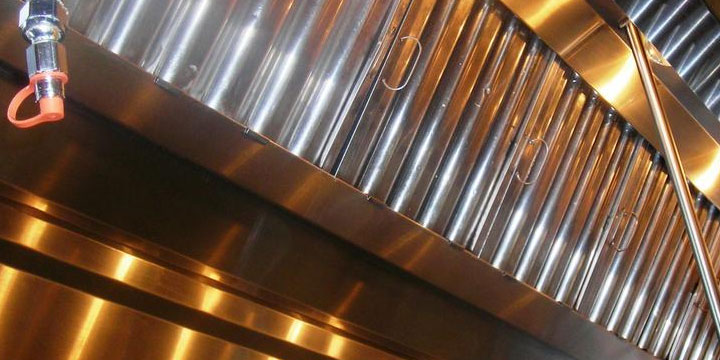
If you operate a commercial kitchen anywhere in South Florida, you have probably heard your fire inspector or insurance company mention NFPA 96. It sounds like technical jargon, but it is actually the single most important standard governing how often your kitchen exhaust system must be cleaned—and getting it wrong can mean failed inspections, voided insurance, or a shut-down order. Here is what NFPA 96 hood cleaning really requires, and how to stay on the right side of it.
What Is NFPA 96?
NFPA 96 is the Standard for Ventilation Control and Fire Protection of Commercial Cooking Operations, published by the National Fire Protection Association. Florida fire codes adopt it, which means it is not optional guidance—it is the benchmark your local Fire Marshal uses when inspecting your hood, filters, ductwork, and exhaust fan. The standard covers the entire grease-handling system, from the hood over your cooking line all the way up through the rooftop fan. Grease is combustible, and NFPA 96 exists to keep that grease from accumulating to the point where a flare-up on the range becomes a fire in the ductwork.
How Often Does NFPA 96 Require Hood Cleaning?
This is the part most restaurant owners get wrong. NFPA 96 does not set one blanket schedule—it ties cleaning frequency to how much and what type of cooking you do. The code-recognized inspection intervals are:
- Monthly — high-volume operations such as 24-hour cooking, charbroiling, or wok cooking.
- Quarterly — moderate-volume operations, which covers most full-service restaurants.
- Semi-annually — low-volume operations such as churches, day camps, or seasonal businesses.
- Annually — very low-volume operations, such as places that only cook occasionally.
A busy South Florida restaurant that grills and fries every day almost always falls into the monthly or quarterly bucket. If you are only cleaning once a year to save money, you are very likely out of compliance—and your insurer may deny a claim if a grease fire occurs. Learn more about recommended cleaning schedules in our related guide, How Often Should Your Restaurant Schedule Hood Cleaning in South Florida?.
What Inspectors Actually Look For
A compliant cleaning under NFPA 96 means bare metal—not a quick wipe-down of the hood you can see. A proper service addresses the hood, the grease filters, the horizontal and vertical ductwork, and the exhaust fan on the roof. After the job, you should receive a certification sticker showing the date of service and the name of the company that performed it, plus a report noting any areas that were inaccessible. Fire Marshals check that sticker first. No documentation often means an automatic violation, even if the system looks clean.
Why Compliance Protects More Than Your Kitchen
Staying current with NFPA 96 hood cleaning does three things at once. It protects your staff and guests from the leading cause of restaurant fires. It protects your insurance coverage, because most commercial policies require proof of regular professional cleaning. And it protects your ability to stay open—a failed fire inspection can halt service during your busiest season. For Florida operators dealing with heat and humidity that accelerate grease buildup, the margin for error is even thinner than in cooler climates.
How to Stay Ahead of NFPA 96
The simplest way to stay compliant is to work with a certified hood and duct cleaning company that documents every visit and reminds you when your next service is due based on your cooking volume. Keep your certification stickers and service reports on file where you can hand them to an inspector on request. If you are unsure which cleaning frequency applies to your kitchen, a professional assessment of your cooking type and volume will place you in the correct NFPA 96 category so you are never cleaning too little—or paying for more than you need.
To learn more about our Commercial Hood & Duct Cleaning services, visit our service page.
At Superior Hood and Duct, we specialize in NFPA 96-compliant hood, duct, and exhaust cleaning for restaurants across Miami, Fort Lauderdale, West Palm Beach, and the rest of South Florida. Every job is documented, certified, and scheduled to match your kitchen’s actual cooking volume—so you pass inspection, keep your coverage, and keep cooking with confidence.